Blurring the Lines: How Indoor Spaces Can Merge With Nature
In the new-age world we live in today, the distinction between indoor and outdoor spaces is no longer sharp. Modern life requires a fluidity that enables our homes and offices to blend smoothly with nature. This is not merely an aesthetic change; it is a changing philosophy of well-being, sustainability, and conscious design.
Why were interiors historically compartmentalized from nature?
Previously, architecture kept interiors disconnected from the outdoors. Windows defined views but did not bring them in. Gardens were outside spaces, closed and separate. Modern architecture companies in Gurgaon are challenging conventional thinking, pushing the boundaries of how light, materials, and room layout may bring interior and exterior together. This is creating not just visual balance but psychological feelings of openness and peace.
In what ways can natural light transform our experience of spaces?
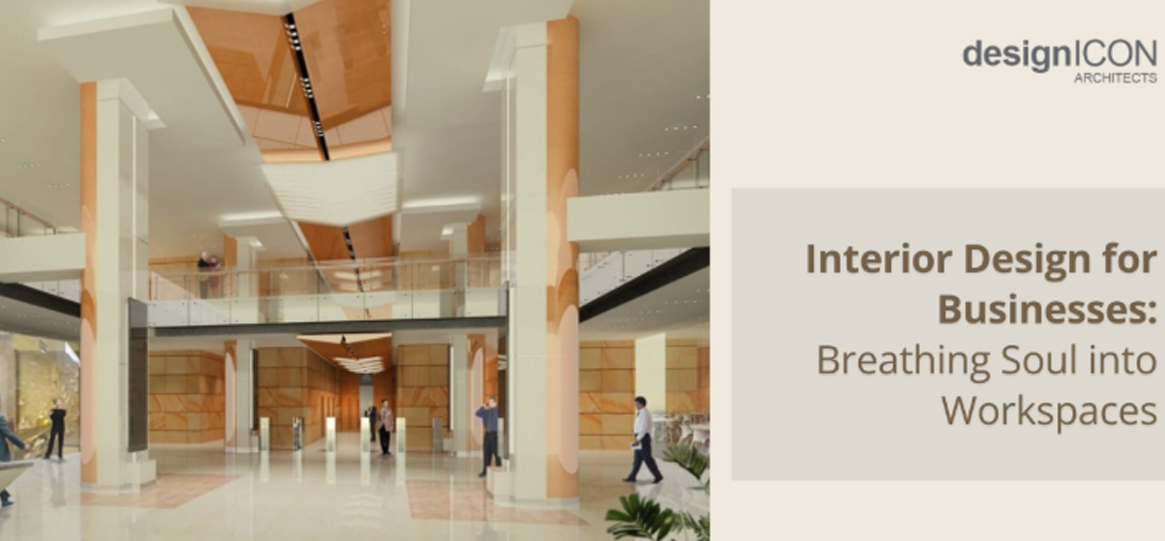
The principle starts with daylight. Using large windows, skylights, and glass walls does more than just light up interior spaces. It removes the separation between rooms and the world outside. As sunlight traverses floors and walls, interior space is energized, reacting to day and season. For the best interior designers in Gurgaon, this offers an opportunity to engage sunlight as an active element in spatial experience, not a passive one.
Which building materials bring the outside in?
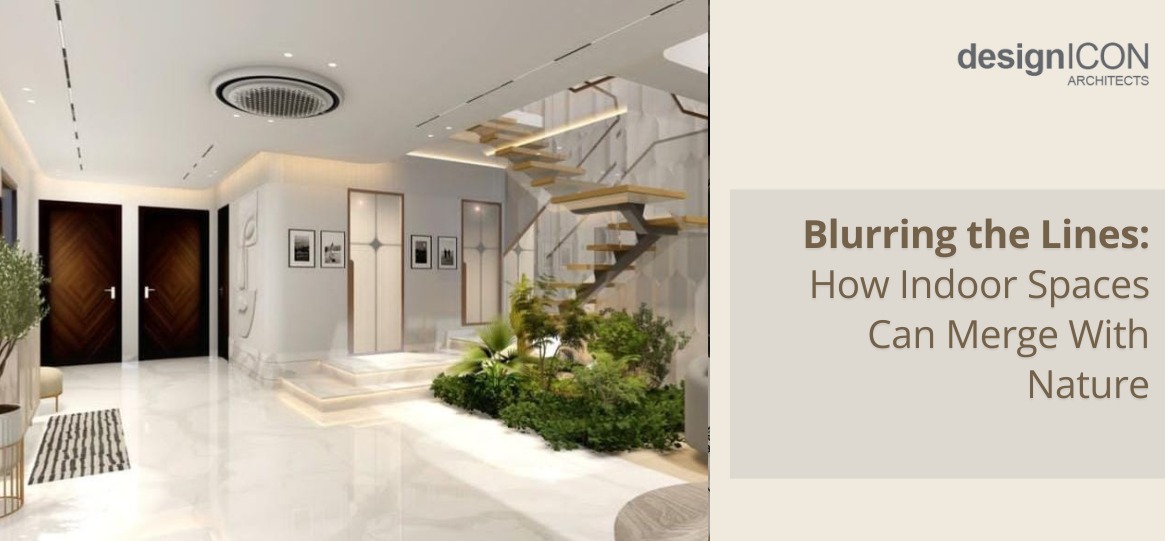
Materials and textures are also crucial. Natural stone, wood, and metallic materials that reproduce the natural environment can carry the sense of the outdoors inside. Flooring that carries over from outdoor terraces into homes, walls covered in living plants, or ceilings that reflect the sky with metallic surfaces can subtly blend nature with man-made environments. The outcome is an office or house that is expansive, calm, and innately joined to the exterior world.
How does spatial planning support nature integration?
Spatial planning is another area where borders are crossed. Open plans, pocket doors, and adjustable furniture make it possible for interiors to extend into courtyards, gardens, or balconies. In such schemes, the exterior is not an afterthought. Rather, it is an integral part of the space. Even in dense urban cities, careful orientation and landscaping can make micro-environments that make inhabitants feel surrounded by nature, even in the midst of city limitations.
Can our senses advance our relationship with nature?
Sensory integration is coming to the forefront. Soundscapes that evoke nature, air movement that simulates outdoor winds, and scent plantings create fully engaging experiences. Interiors by famous architects in Gurgaon, incorporating these elements prompt occupants to interact with the world around them intentionally, developing mindfulness and increasing well-being. This integrated methodology is indicative of a larger understanding that human beings are intimately connected to their environment and do best in spaces that honor and incorporate elements of nature.
What are the problems that urban areas face?
The urban setting provides a special level of challenge and opportunity. Gurgaon and Delhi NCR require innovation in integrating green elements into vertical and denser buildings. Working with the top 10 architects in India can create this balance. They know the best ways to balance urban limitations with natural integration, creating functional, beautiful, and environmentally connected spaces.
How do urban interiors incorporate nature successfully?
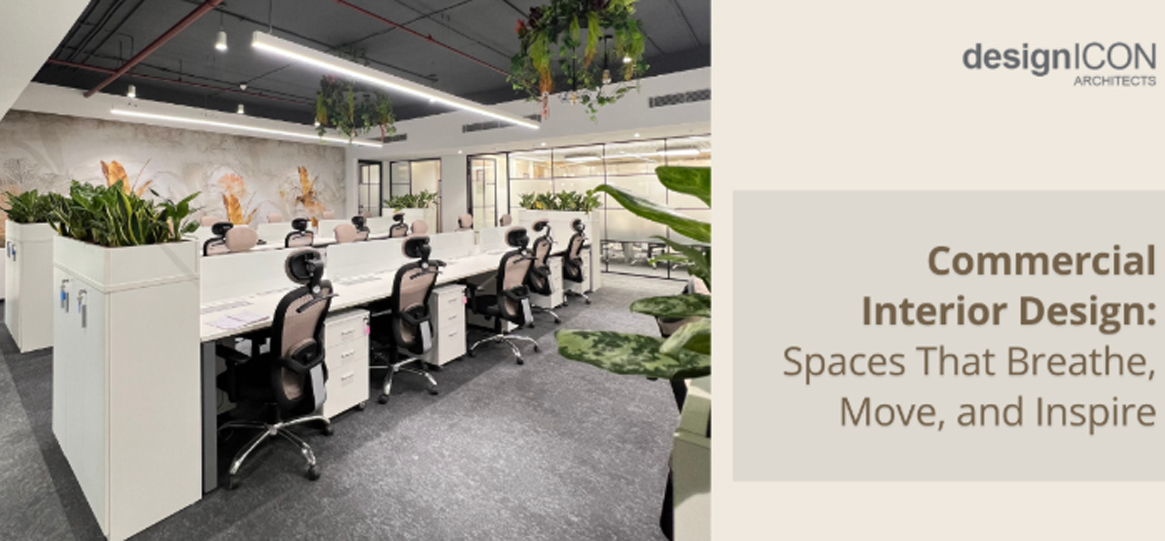
Interiors in those urban areas tend to need customized solutions like light wells, vertical gardens, atriums, and multi-purpose outdoor extensions. Having the best architects in India on board ensures that these features are well-executed. Their professional skills bridge the gap between the structural reality of the building and the desiderated vision of a nature-integrated lifestyle.
What is special about this approach?
What is remarkable about this philosophy is that it is subtle. The aim is not to produce a greenhouse effect indoors but one of harmonious coexistence. Each design choice, ranging from furniture scale to window orientation, is guided by the need to preserve this balance. Rooms do not feel forced or artificial; they feel alive. They breathe, change, and adapt with the surroundings.
Why is indoor space merging with nature significant?
Ultimately, integrating indoor space with nature is an expression of a greater cultural transformation. This is an understanding that our constructed environments have a powerful impact on our psychological and physical well-being. It represents a shift from isolated, non-mobile interiors to adaptive, responsive, and life-promoting spaces. Offices and residences become ecosystems unto themselves, providing connection, refuge, and inspiration.
Who can assist in creating this vision?
With this vision picking up pace, partnerships with innovative interior designers in Delhi NCR are a necessity. Experts who can decipher both architecture and interior sensibilities are a key to bringing this vision to life. In Delhi NCR and Gurgaon, a progressive approach can bring classic interiors into spaces where nature is a collaborator and not a backdrop.
For those interested in adopting this philosophy, interacting with professionals who merge innovation with pragmatism is essential. Amongst the pioneers in this area is designICON, one of the best architecture firms in Delhi NCR, that showcases what is possible with nature-integrated design, providing answers that resonate with contemporary lifestyles and yet pay homage to the environment.