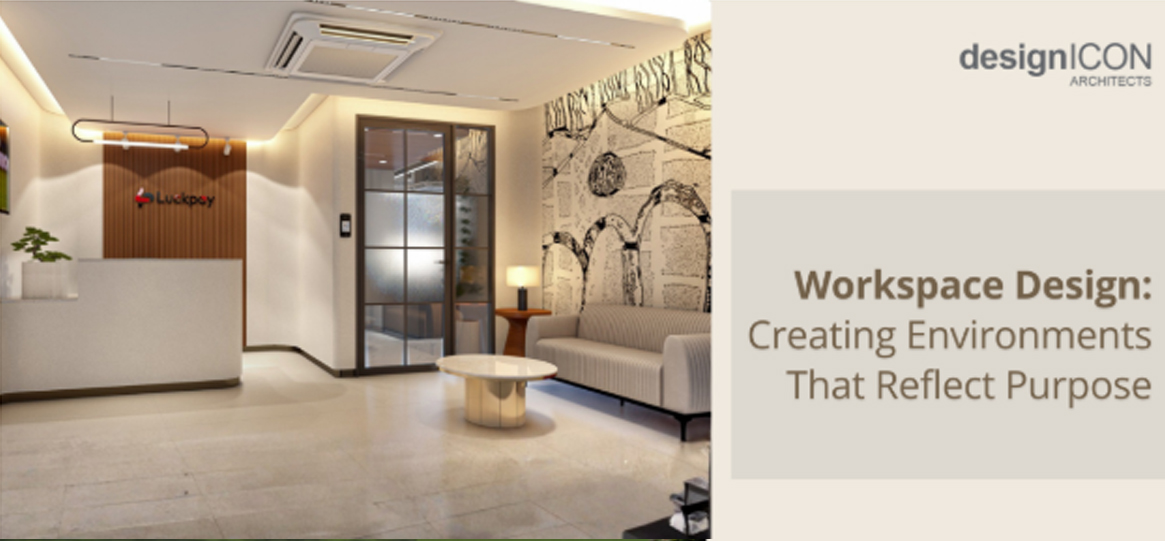
Workspace Design: Creating Environments That Reflect Purpose
Every workspace carries a quiet narrative. The first step inside, the way early light grazes a tabletop, a chair that genuinely invites you to sit, even the brief hush before a meeting begins, each detail reveals the care behind the place. When a space is considered, people think more clearly, work with ease, and feel honestly connected to where they are.
What makes these spaces succeed isn’t the interiors but its intent. When comfort and function meet without fuss, productivity arrives naturally and stays.
What is Workspace Design and Why is it Important?
Workspace design is the deliberate shaping of settings where people can work efficiently, comfortably, and with purpose. It stretches beyond surface beauty. It starts with real-life behaviour, how people move, pause, chat, and concentrate through an ordinary day, from the jacket tossed on a hook to the quick exchange by the printer.
A good commercial interior design calms the mind and tidies the day. Focus becomes simpler, collaboration feels unforced, and visitors sense professionalism almost at once. The character of the environment lifts morale and performance in ways you notice more than you name.
How Does Workspace Design Influence Work and Wellbeing?
The places we work in set our mood and pace. Thoughtful architects in Gurgaon build environments that steady attention, invite creativity, and support wellbeing.
- Improved Concentration: Clear routes and uncluttered layouts reduce mental noise.
- Healthier Posture: Ergonomic seating and desks support the body through long stretches.
- Enhanced Interaction: Shared zones make open, useful conversations more likely.
- Positive Energy: Daylight, fresh air, and tuned acoustics help people stay alert.
- Sense of Belonging: Comfortable surroundings create pride and connection to place.
When design honours human needs, the entire organisation feels the lift.
What Are the Core Elements of Effective Workspace Design?
Excellent workspaces share a small set of essentials. These foundations turn ordinary corporate interiors into composed, capable environments.
Space Planning
Considered placement of desks, meeting spots, and circulation sets the rhythm of work. Movement should feel effortless; collaboration should feel obvious. Aisles that welcome two people side-by-side, corners that don’t trap conversations, storage where it actually serves the day.
Lighting Design
Good lighting shapes focus and mood. Balance daylight with well-placed fixtures so the space stays comfortable from morning through evening. Limit glare on screens; soften tones as the day winds down.
Material Selection
Textures and colours set the emotional tone. Wood and stone add warmth; glass and metal bring clarity and precision. Fabrics take the edge off echo and make rooms feel lived-in rather than staged.
Acoustics
Managed sound protects deep work. Partitions, fabrics, and flooring hush the room without flattening its energy. A compact phone booth often outperforms a polite “Quiet, please.”
Technology Integration
Modern work needs seamless tools. Hidden cabling, intuitive displays, and flexible systems keep things neat and ready. No cable nests, no guessing which button starts the meeting.
Ergonomics
Workstations shaped for the body guard health and preserve energy. Fast-adjust chairs, eye-level monitors, and a perch to stand when the 2 p.m. dip arrives.
These principles of office interior design scale smoothly from intimate studios to expansive corporate floors.
How Does a Human-Centered Approach Improve Workspace Design?
A space truly works when it answers to its people. Human-centred design begins with listening and close observation, mapping routines, spotting pressure points, and uncovering opportunities in the current setup. We notice where queues form, which rooms sit empty, and where mugs mysteriously collect.
This approach rests on empathy. Every corner earns its keep, every surface feels considerate, and the flow supports real work. When people feel recognised by their environment, engagement and satisfaction follow.
What Makes Our Workspace Design Process Unique?
Our method blends structure, collaboration, and detail. Clear stages keep decisions visible and momentum steady.
- Step 1: Discovery
We learn your goals, team shape, and everyday challenges — what works, what doesn’t, and what’s on the wish list. - Step 2: Analysis and Flow Mapping
We trace how people, light, and information move and then tune the plan to the real workflow. Bottlenecks and blind spots are addressed early. - Step 3: Concept Development
Mood boards, sketches, and renders set tone, materials, and spatial logic. This is the moment the space starts to feel unmistakably yours. - Step 4: Detailing and Implementation
We refine each element and coordinate with suppliers, craftsmen, and engineers for clean delivery. Lead times and budgets remain in plain view. - Step 5: Evaluation and Aftercare
After handover, we review performance and fine-tune. Small, well-placed tweaks often unlock daily ease.
The outcome is practical, elegant, and built to endure. All these qualities makes us the best architects in India
How Workspace Design Strengthens Corporate Identity
A workspace carries your brand without a speech. The posture of furniture, the character of light, and the palette of colour quietly say who you are.
Clients sense trust the instant they arrive. Teams feel aligned and proud. Over time, the environment becomes a living extension of culture.
Our practice draws on the precision and sensitivity of leading Indian architects. Through collaborations with top architects in Gurgaon, we blend local craft with a measured, international outlook.
Where Can Thoughtful Workspace Design Be Applied?
These principles travel well across contexts.
- Corporate Interiors: Offices that balance deep focus with openness.
- Start-up Studios: Flexible layouts that grow alongside the team.
- Retail Environments: Spaces that heighten experience and story.
- Wellness Centres: Calm interiors that support rest and recovery.
- Collaborative Hubs: Environments that spark dialogue and shared ideas.
Each project is tailored to purpose, balancing utility with expression.
FAQs
Q1. How long does a workspace design project usually take?
Timelines vary by size and complexity. Most projects run 10–24 weeks from concept to completion.
Q2. How is the design budget determined?
Budget reflects area, materials, and function. Investments are planned for durable, long-term value.
Q3. Can design work continue while the office remains operational?
Yes. Work can be phased or scheduled after hours to reduce disruption.
Q4. Do you handle furniture and décor along with spatial planning?
Yes. We provide turnkey support, including furniture, lighting, and finishing details.
Q5. How can we ensure the final design reflects our brand identity?
Through regular workshops and reviews. We iterate visuals until the space speaks your culture clearly.
Takeaway
A thoughtfully shaped workspace becomes a steady partner in daily success. It supports focus, strengthens connection, and expresses who you are with quiet confidence.
When design has purpose, buildings turn into experiences. Routine gains meaning, and work finds its natural flow.